
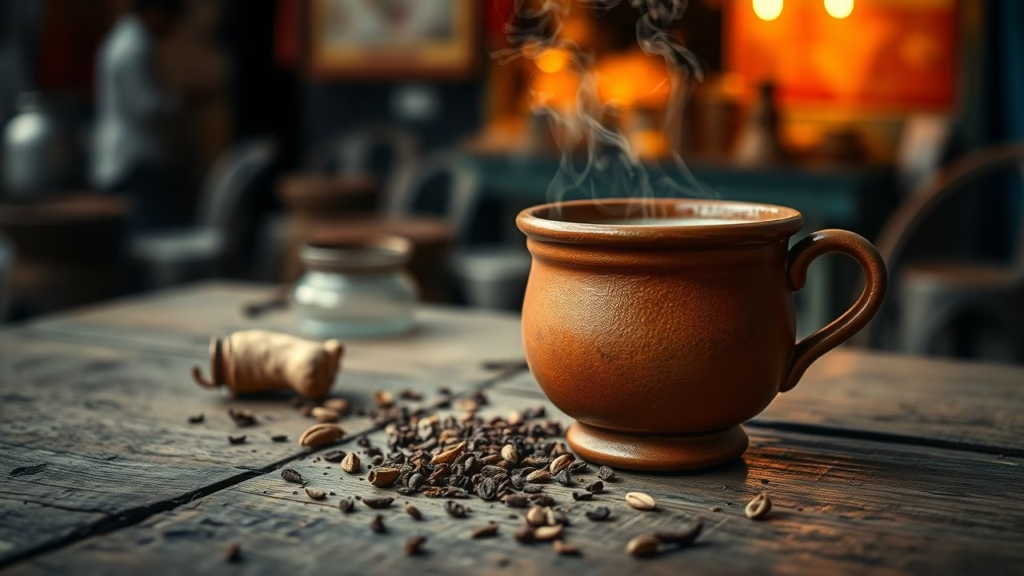
Introduction
Chai is more than just a beverage in India; it’s an emotion, a ritual, and a daily comfort for millions. From bustling streets to cozy homes, the aromatic blend of tea leaves, milk, and spices is an inseparable part of Indian culture. But what if we told you that your beloved cup of chai might be hiding secrets no one discusses? As we step into 2026, new research and trends are revealing uncomfortable truths about this traditional drink—truths that could impact your health, wallet, and even the environment.
While chai is celebrated for its warmth and flavor, few question the quality of its ingredients or the hidden costs of its production. Many brands use pesticides in tea leaves, excessive sugar in pre-mixed packets, and unsustainable farming practices that harm ecosystems. Additionally, the rise of health-conscious consumers has shed light on how daily chai habits may contribute to issues like caffeine dependence, digestive problems, and weight gain. It’s time to look beyond the steam and savor the facts.
The Hidden Chemicals in Your Tea Leaves
Most commercial tea brands, including popular ones in India, rely on pesticide-laden tea leaves to meet mass production demands. Studies have shown that conventionally grown tea often contains residue from harmful chemicals like monocrotophos and endosulfan, which are linked to long-term health risks such as hormonal imbalances and even cancer. While regulatory bodies set limits for these residues, enforcement remains lax, leaving consumers unknowingly exposed.
Organic tea, though gaining traction, still represents a tiny fraction of the market due to higher costs and lower yields. For the average Indian household prioritizing affordability, switching to organic chai seems like a luxury. Yet, the long-term health implications of continued exposure to these toxins could outweigh the short-term savings. Farmers are also at risk, as prolonged exposure to pesticides can lead to severe respiratory and skin conditions.
The Sugar Trap in Every Sip
Indians consume nearly 20–25 grams of sugar per cup of chai, thanks to the traditional preference for sweetness. Adding to that are pre-packaged chai mixes, which often contain hidden sugars under names like “inverted syrup” or “corn solids.” With diabetes and obesity rates soaring, this daily sugar overload is contributing to a silent public health crisis.
Many believe that swapping white sugar for jaggery or honey makes their chai healthier. While these alternatives offer trace minerals, they still spike blood sugar levels. Nutritionists suggest reducing sugar gradually or experimenting with natural sweeteners like stevia—but breaking the cultural attachment to sweetness remains a challenge for chai lovers across India.
How Much Sugar Is Too Much?
The World Health Organization recommends limiting added sugar to 25 grams per day. Just one cup of commercially prepared chai can meet—or exceed—this limit, leaving no room for other sugary foods. Coupled with biscuits or snacks, the daily chai ritual becomes a sugar bomb.
The Caffeine Conundrum
Chai contains caffeine, though in lower quantities than coffee. However, many Indians consume 3–4 cups daily, leading to cumulative effects like insomnia, anxiety, and digestive distress. What’s worse, reliance on caffeine for energy masks deeper issues like poor sleep quality or chronic fatigue.
Caffeine withdrawal is another under-discussed problem. Regular chai drinkers who skip their daily cup often report headaches, irritability, and fatigue. While moderate caffeine intake is harmless for most, dependency can disrupt natural energy cycles, making it harder to function without that mandatory morning brew.
The Milk Myth: Is It Really Necessary?
Traditional Indian chai relies heavily on milk, often full-fat buffalo or cow milk, contributing to saturated fat intake. For lactose-intolerant individuals, this can cause bloating, gas, or discomfort. Even for others, excessive milk consumption has been linked to mucus production and digestive sluggishness.
Plant-based alternatives like almond, oat, or soy milk are gaining popularity, but purists argue they dilute chai’s authentic taste. A middle ground could be reducing milk quantity or opting for lighter versions like skim milk. Either way, rethinking milk’s role in chai could lead to a healthier, more inclusive beverage.
The Environmental Cost of Mass-Produced Chai
Tea plantations, especially large-scale ones, often contribute to deforestation and water depletion. In regions like Assam and Darjeeling, monoculture farming has degraded soil quality, reducing biodiversity. Pesticide runoff from these estates also pollutes nearby rivers, affecting aquatic life and local communities.
Single-use tea bags, often bleached and non-biodegradable, add to plastic pollution. Loose-leaf tea is a greener alternative, but convenience drives consumers toward disposable options. Sustainable chai consumption demands awareness—and a shift toward eco-friendly brands and packaging.
Profit Over Health: The Dark Side of Commercial Chai Brands
Big tea corporations prioritize profit margins, often compromising on ingredient quality. Artificial flavors and preservatives are common in instant chai mixes, while fair trade practices are rare. Small-scale tea farmers receive minimal profits, perpetuating economic inequality in the industry.
Misleading marketing further complicates the issue. Terms like “natural” and “premium” are frequently used without regulation, tricking consumers into believing they’re making healthier choices. Reading labels and supporting ethical brands is crucial to combat these practices.
The Rise of Ethical Chai Brands
A handful of startups are now offering pesticide-free, ethically sourced chai, though at a premium. While accessibility remains a hurdle, growing demand could push larger brands to adopt cleaner practices. Consumers willing to pay slightly more can drive this change.
How to Make Healthier Chai at Home
Homemade chai allows full control over ingredients. Start with organic tea leaves or powder, reduce sugar gradually, and experiment with spices like ginger or cardamom for natural flavor. Using less milk or trying plant-based options can further enhance its nutritional profile.
For caffeine-sensitive individuals, decaf tea or herbal infusions like tulsi or lemongrass offer a soothing alternative. Small adjustments, like brewing time and spice ratios, can personalize chai to match both taste preferences and health goals.
The Psychological Hold of Chai Culture
Chai breaks are ingrained in India’s social and work routines, serving as a bonding moment or stress reliever. The ritual itself—boiling, brewing, and sipping—provides comfort, making it harder to question or modify the habit.
Recognizing the emotional attachment to chai is key to making informed choices. Healthier versions can still offer the same warmth and nostalgia without compromising well-being. Balancing tradition with modern health insights is the way forward.
Frequently Asked Questions
Is chai unhealthy?
Chai itself isn’t inherently unhealthy, but common preparation methods—excessive sugar, pesticide-laden leaves, and full-fat milk—can pose health risks. Moderation and mindful ingredient choices make a difference.
Can I drink chai daily?
Yes, but opt for homemade versions with controlled sugar and organic ingredients. Limiting intake to 1–2 cups avoids caffeine overconsumption.
What’s the healthiest milk for chai?
Plant-based milks like almond or oat are lower in saturated fat, but skim milk works if you prefer dairy. Choose unsweetened variants to avoid added sugars.
Does chai cause acidity?
For some individuals, the caffeine and tannins in tea can trigger acidity or heartburn. Adding ginger or reducing brewing time may help.
Are tea bags worse than loose tea?
Many tea bags contain microplastics or bleach residues. Loose-leaf tea is generally safer and more environmentally friendly.
Conclusion
The truths about daily chai consumption in 2026 are eye-opening, but they don’t mean giving up this cherished ritual. By making informed choices—opting for organic leaves, reducing sugar, and exploring sustainable alternatives—you can enjoy chai without compromising health or the planet. The key lies in balancing tradition with awareness, ensuring that every sip counts toward a healthier future. So, before your next cup, take a moment to rethink what goes into it—because the best chai is one that nourishes both body and soul.