Introduction
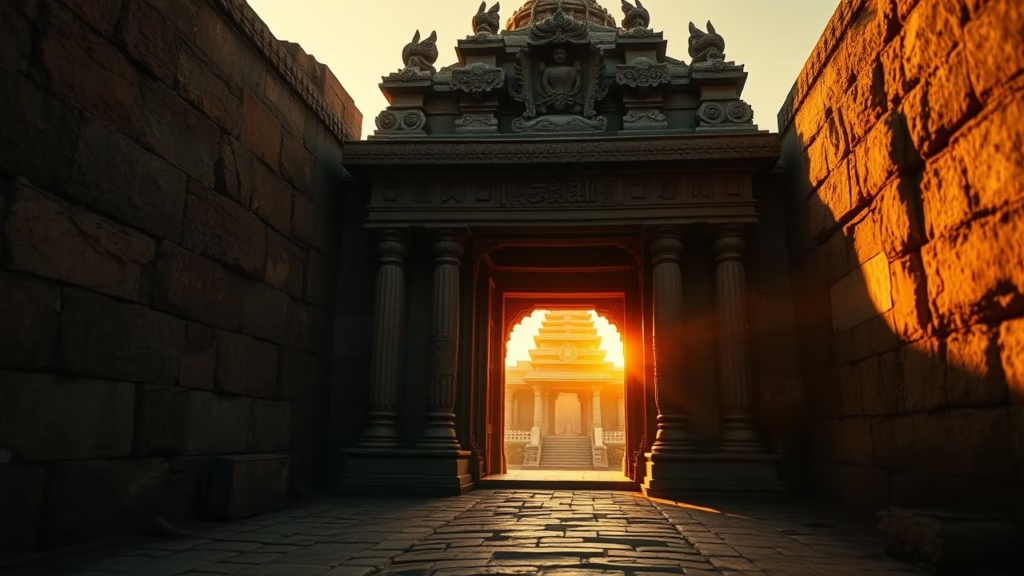
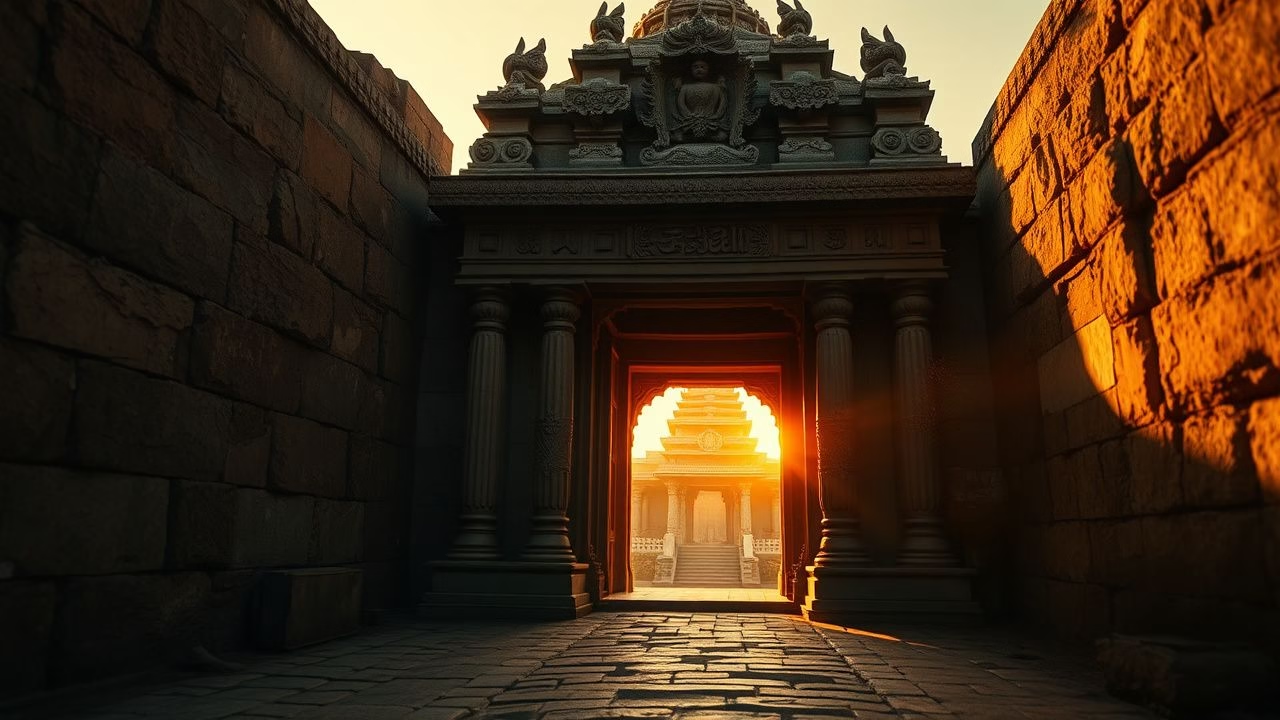
The Vijayanagara Empire, often referred to as the “Lost Kingdom of Vijayanagar,” stands as one of India’s most magnificent yet enigmatic civilizations. Flourishing between the 14th and 17th centuries, this empire left behind sprawling ruins, intricate temples, and unanswered questions that continue to baffle historians. From its sudden rise to its mysterious decline, the secrets buried within its ruins tell a story of grandeur, innovation, and intrigue. This article delves into the mysteries of Vijayanagar, exploring its hidden past and the puzzles that scholars still struggle to explain.
The Rise of Vijayanagar: A Golden Era
Founded in 1336 by Harihara I and Bukka Raya I, the Vijayanagara Empire emerged as a beacon of Hindu resistance against invading Islamic sultanates. Stretching across South India, it became a powerhouse of culture, trade, and military strength. The empire’s capital, Hampi, was a marvel of urban planning, adorned with grand temples, bustling markets, and advanced irrigation systems.
The Architectural Wonders of Hampi
Hampi’s ruins, now a UNESCO World Heritage Site, showcase the empire’s architectural brilliance. The Virupaksha Temple, Vittala Temple, and the iconic Stone Chariot stand as testaments to Vijayanagar’s engineering prowess. Intricate carvings, massive boulder structures, and hydraulic innovations highlight a civilization far ahead of its time.
The Mysterious Decline of Vijayanagar
Despite its dominance, the empire met a sudden and catastrophic end in 1565 after the Battle of Talikota. The victorious Deccan Sultanates razed Hampi to the ground, leaving it in ruins. Yet, historians debate whether the battle alone caused the empire’s collapse or if internal strife, economic strain, or other factors played a role.
Unanswered Questions About Its Fall
Why did Vijayanagar, with its vast resources and military might, crumble so quickly? Some theories suggest administrative failures, while others point to ecological disasters like droughts. The lack of definitive records adds to the mystery, leaving room for speculation and ongoing research.
Buried Secrets: What Lies Beneath the Ruins?
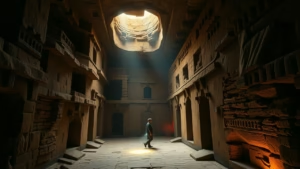
Archaeological excavations in Hampi have unearthed artifacts, inscriptions, and structures that hint at untold stories. From hidden tunnels to underground chambers, these discoveries raise questions about the empire’s secretive practices and lost knowledge.
The Enigma of the Royal Treasury
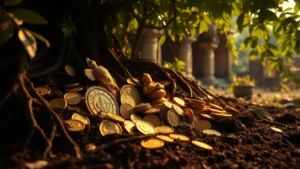
Legends speak of immense wealth stored in Vijayanagar’s royal vaults, yet no significant hoards have been found. Were these treasures looted, hidden, or simply mythical? The search for answers continues to captivate historians and treasure hunters alike.
The Cultural Legacy of Vijayanagar
Beyond its ruins, the empire’s influence persists in South Indian art, literature, and traditions. The Vijayanagara period saw the flourishing of Carnatic music, classical dance forms like Bharatanatyam, and literary works in Kannada, Telugu, and Sanskrit.
Temples as Living Heritage
Many Vijayanagar-era temples remain active centers of worship, preserving rituals and festivals that date back centuries. These sites serve as a bridge between the past and present, keeping the empire’s spiritual legacy alive.
Frequently Asked Questions
What was the Vijayanagara Empire known for?
The Vijayanagara Empire was renowned for its architectural marvels, military strength, and cultural contributions. It played a pivotal role in preserving Hindu traditions amid Islamic invasions and became a hub for trade and art.
Why is Hampi so significant?
Hampi, the empire’s capital, is a UNESCO World Heritage Site filled with stunning ruins, temples, and monuments. It offers a glimpse into the empire’s grandeur and is a key archaeological site for understanding medieval South India.
What caused the fall of the Vijayanagara Empire?
The empire’s decline is often attributed to the Battle of Talikota in 1565, where it suffered a crushing defeat. However, factors like internal conflicts, economic challenges, and ecological issues may have also contributed.
Are there undiscovered treasures in Vijayanagar?
While legends speak of hidden riches, no substantial treasures have been found. Archaeologists continue to explore the ruins, hoping to uncover more about the empire’s wealth and secrets.
How did Vijayanagar influence modern South India?
The empire’s legacy lives on in South India’s art, architecture, and cultural practices. Temples, music, and dance forms from the Vijayanagara period remain integral to the region’s identity.
Conclusion
The Lost Kingdom of Vijayanagar remains a captivating chapter in India’s history, filled with grandeur, mystery, and unanswered questions. Its ruins whisper tales of a once-mighty empire, while its cultural legacy endures in the heart of South India. As historians and archaeologists continue to unravel its secrets, Vijayanagar’s story serves as a reminder of the fleeting nature of power and the enduring impact of civilization.