Introduction
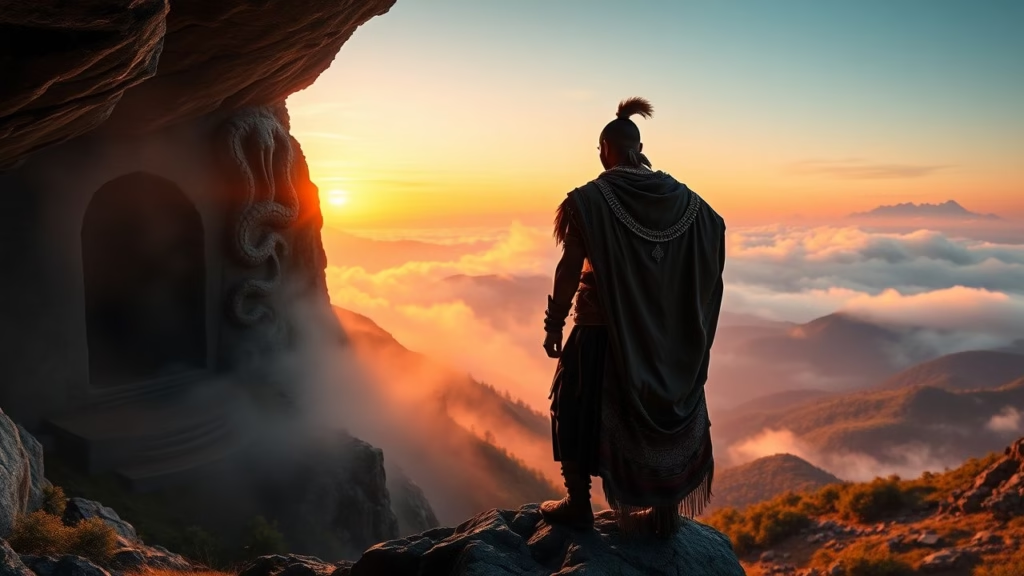
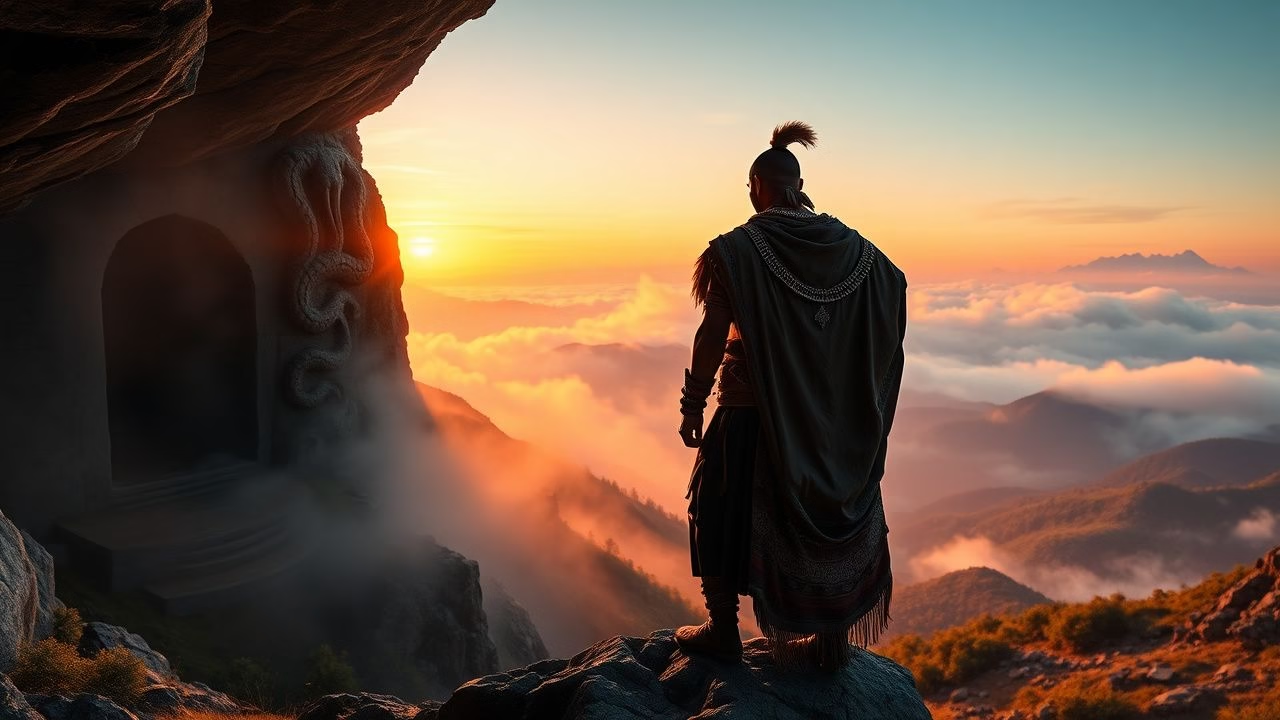
The Himalayas, with their towering peaks and mist-covered valleys, have long been a cradle of myths, legends, and forgotten civilizations. Among the most intriguing tales is that of the Naga warriors—a mysterious tribe said to have ruled a hidden kingdom deep within the mountains before vanishing without a trace. Their legacy lingers in ancient Indian scriptures, local folklore, and the eerie whispers of the hills. Could there be truth behind these stories? Or are they echoes of a forgotten past that refuses to fade?
Who Were the Naga Warriors?
In ancient India, the Nagas were described as a formidable warrior tribe with deep spiritual connections to serpent deities. They were said to inhabit the remote Himalayan regions, particularly in present-day Nagaland, Arunachal Pradesh, and parts of Myanmar. Some historians believe they were an early matriarchal society, while Hindu epics like the Mahabharata depict them as both allies and adversaries of gods and kings. Their civilization, though elusive, left behind a cultural imprint that persists in tribal traditions across the Northeast.
The Serpent Connection
Nagas worshiped serpent gods, believing them to be guardians of earth’s hidden treasures. Temples across India, such as the Mannarasala shrine in Kerala, still venerate snake deities, possibly tracing back to Naga traditions. This reverence for serpents also appears in Buddhist and Jain texts, suggesting their influence spanned far beyond their supposed Himalayan strongholds.
The Lost Kingdom: Legends & Archaeological Clues
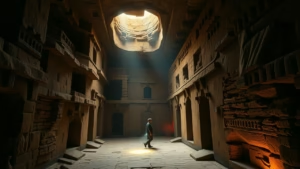
Legends speak of a magnificent Naga kingdom hidden in the Himalayas, its entrance protected by enchanted caves and serpentine guardians. While no definitive ruins have been found, scattered clues hint at their existence:
- Ancient Petroglyphs: Mysterious rock carvings in Ladakh and Uttarakhand depict serpentine figures resembling Naga iconography.
- Oral Histories: Indigenous tribes like the Ao Nagas recount migration stories pointing to an advanced ancestral homeland.
- Sanskrit Texts: References in the Puranas describe “Nagaloka,” a subterranean realm of the Nagas.
The Hidden Caves of Uttarakhand
In the remote valleys of Uttarakhand, locals speak of caves where Naga spirits still reside. Explorers have reported strange phenomena—echoes of unseen chants, sudden temperature drops—fueling theories that these sites hold remnants of the lost kingdom. Could these caves be doorways to a forgotten world?
The Naga Legacy in Modern India
The Naga influence endures in contemporary culture, particularly in India’s Northeast. Festivals like the Hornbill Festival in Nagaland celebrate warrior traditions, while Naga folklore permeates regional art and music. Yet, their enigmatic disappearance raises unanswered questions: Were they absorbed into other tribes, or did they retreat into the mountains, waiting to be rediscovered?
Naga Tribes Today
Modern Naga tribes, such as the Konyak and Angami, uphold warrior customs like headhunting (now symbolic) and intricate tattoo artistry. Their vibrant handloom designs often feature serpent motifs, a silent tribute to their ancestors’ beliefs.
Theories Behind Their Disappearance
What caused the Naga kingdom to vanish? Historians propose several theories:
- Climate Shifts: Changing weather patterns may have forced migration.
- Conflict: Wars with neighboring tribes or empires could have scattered their civilization.
- Spiritual Retreat: Some believe the Nagas abandoned the material world to seek higher wisdom in isolation.
Frequently Asked Questions
Did the Naga warriors really exist?
While no archaeological “smoking gun” proves their kingdom’s existence, ancient texts, oral histories, and cultural practices strongly suggest the Nagas were a real tribe with a significant historical footprint.
Where did the Nagas live?
Most evidence points to the Eastern Himalayas and Northeast India, particularly in areas now part of Nagaland, Manipur, and Arunachal Pradesh.
Are modern Naga tribes their descendants?
Yes, tribes like the Konyak and Lotha are considered cultural successors, preserving many traditions of their warrior ancestors.
Why are serpents so important in Naga culture?
Snakes symbolized wisdom, protection, and a connection to the earth’s hidden forces, central to Naga spiritual beliefs.
Could the lost Naga kingdom still be found?
With much of the Himalayas still unexplored, the possibility remains—though it would require extensive archaeological efforts.
Conclusion
The tale of the Naga warriors is a mesmerizing blend of history and myth, a reminder of how much of our past remains shrouded in mystery. Whether their kingdom lies buried beneath Himalayan soil or lives on through tribal customs, their story captivates adventurers and scholars alike. Perhaps one day, the mountains will reveal their secrets—until then, the legend of the vanished Nagas endures, whispering through the valleys of time.