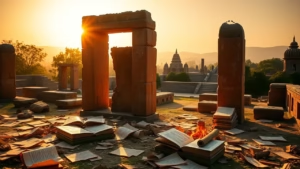
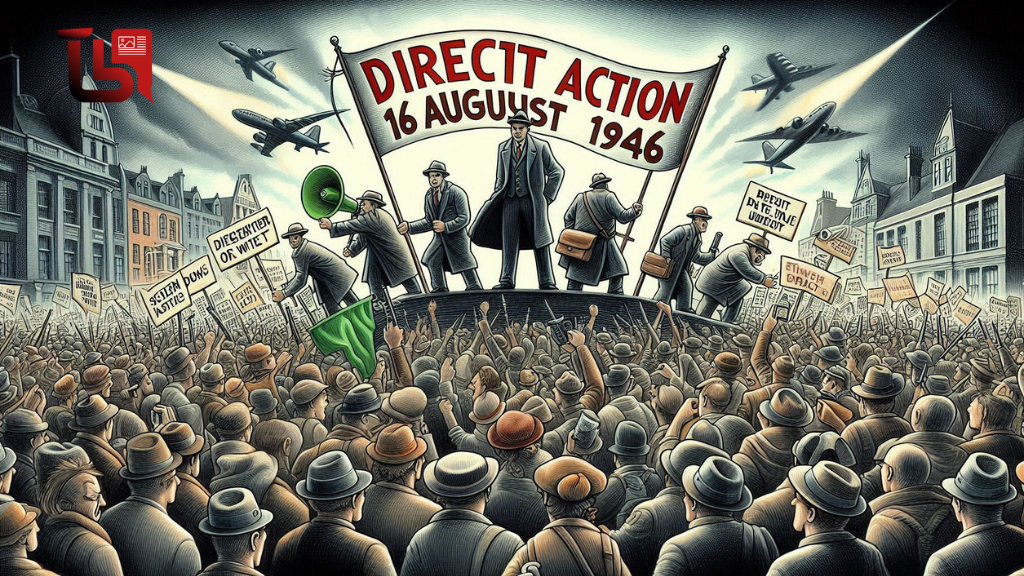
 There are days in the books of history that change the course of nations and destiny. Direct Action Day, August 16, 1946, is one such day that will go down in Indian history as a turning point marked by both tragedy and change. Its occurrence sent the Indian subcontinent into a whirlwind of political unrest and intercommunal bloodshed, irrevocably altering its course toward independence.
Creating the Setting
In the latter stages of British colonial control in India, the scene was set. The political landscape became more and more divided as the call for independence developed, with the Indian National Congress pushing for a secular, unified India and the Muslim League calling for Pakistan, a separate country for Muslims.
When the British declared their plans to transfer power amidst political unrest, India’s diverse population filled with both ambitions and concerns. Muhammad Ali Jinnah, leading the Muslim League, declared August 16, 1946, as “Direct Action Day,” intending to reaffirm Muslim claims for their own state.
The Scenario Before Chaos
Calcutta (now Kolkata), a booming city renowned for its strategic significance and diversity of culture, was a source of tensions prior to Direct Action Day. With slogans echoing through the city’s winding streets, the Muslim League’s call for a hartal—a general strike—and demonstrations unleashed a wave of fervor.
Calcutta awakes up to a completely changed city on that fateful day. Barricades emerged, dividing communities based on religious beliefs. Communities were bracing themselves for what was ahead, and the air crackled with expectation and worry.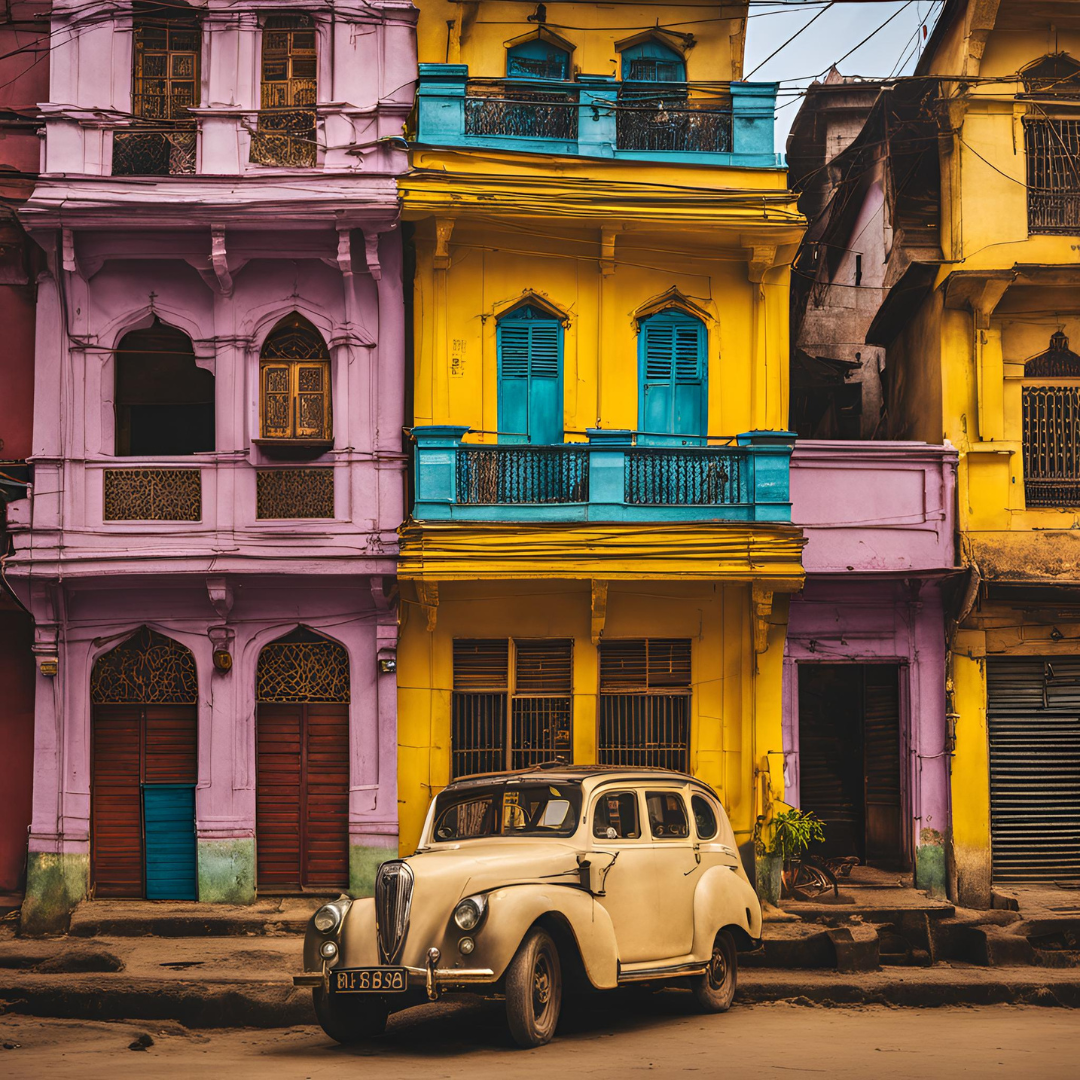
The Analyzing
With the sun rising higher in the sky, the city became like a tinderbox waiting for something to spark. On a regular basis violent incidents would break out, driven by long-simmering tensions within the community. Fear, rage, and political rhetoric combined to create a powerful cocktail that drove mobs through the streets.
The initial spark was small-scale fights that soon grew into large-scale violence. Reports of vicious attacks, looting, and burning on both sides began to pour in, creating a terrifying image of mayhem and destruction. Calcutta’s once-vibrant streets became into combat zones where people’s lives and means of subsistence were at risk.
The Human Sacrifice
Tragic and brave tales surfaced among the violence. Families cowered down in dread, taking shelter in mosques, temples, and temporary shelters. The hospitals in the city were overburdened by the number of injured patients, and the agonized cries of those who had lost loved ones could be heard echoing through their hallways.
Age or gender was not a factor in communal violence, as Direct Action Day’s indiscriminate rage killed the lives of men, women, and children. The city that had prospered due to its international attitude was now battling injuries of disorder and hopelessness.
The Repercussions
After Direct Action Day, the aftermath left Calcutta frightened and devastated. It declared thousands of people dead, while leaving countless more penniless and homeless. The event ripped apart the city’s social fabric, leaving severe scars that would take years to heal.
The effects of August 16, 1946, reverberated well beyond the streets of Calcutta. It was a sobering reminder of the perils of neighborhood politics and the brittleness of social cohesion. Partition continued to loom larger, threatening India’s independence movement and hinting to the disastrous events that would transpire in 1947.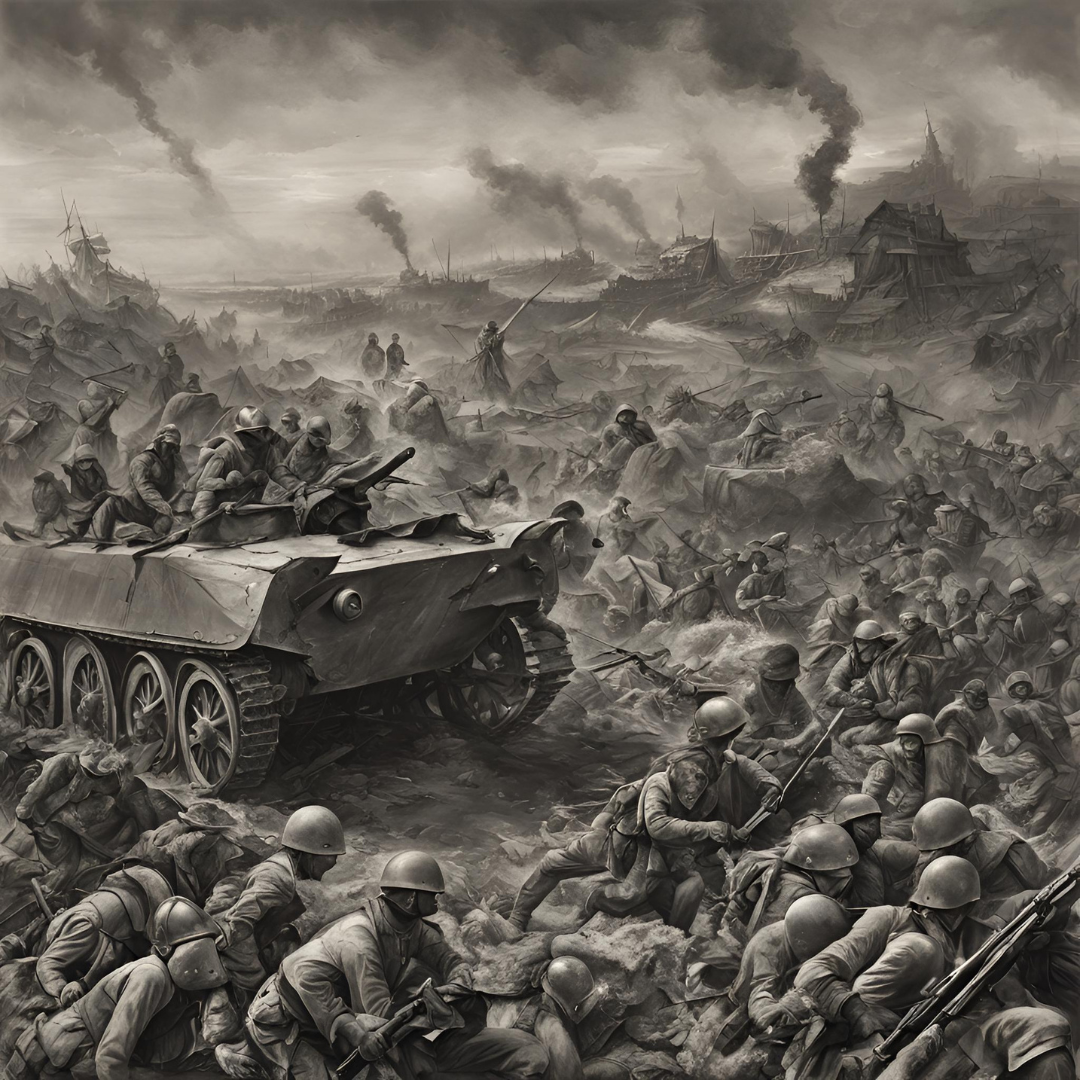
Teachings from the event
In India’s history, Direct Action Day represents a significant turning point toward independence. It emphasized how crucial communication, comprehension, and peacemaking are in the face of enduring differences. The wounds from that day remain in the collective memory of those who saw it happen, acting as a sad warning about the cost of political negotiation and prejudice.
The date August 16, 1946, is still a powerful representation of the difficulties and complexities of India’s independence movement. That day left an enduring mark on the history of the country as the aspirations of a nation collided with the realities of communal strife.
We are reminded of the constant need for awareness against the forces of division and hatred as we consider Direct Action Day. It is a serious reminder to preserve the principles of harmony, tolerance, and peace lest we overlook the lessons of the past and end up replicating its most dreadful episodes.
Direct Action Day also serves as a symbol of resiliency and hope for a future in which respect and understanding will allow the scars of the past to fade.