

Introduction
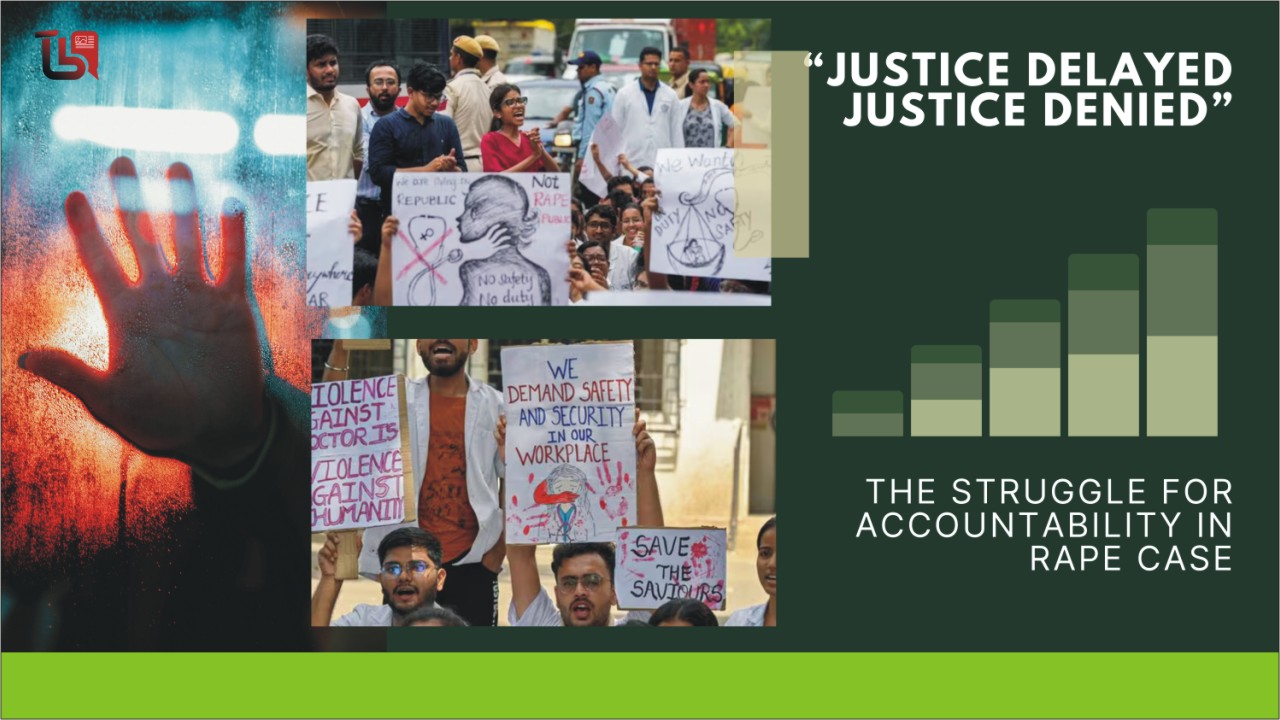
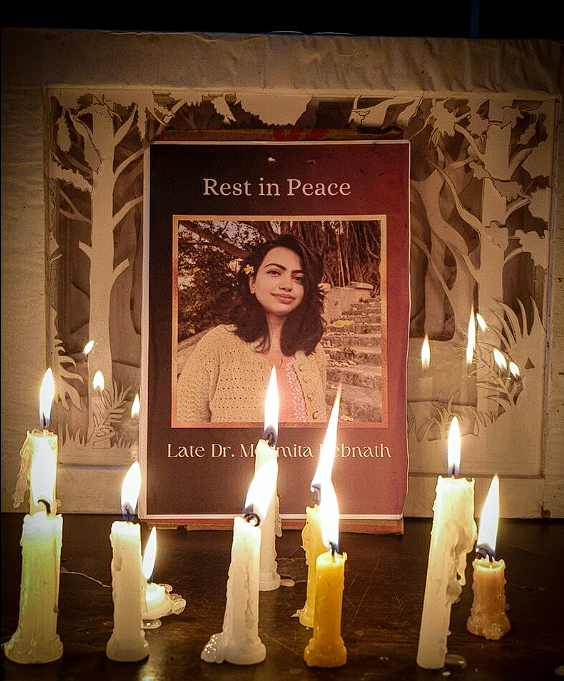
The Kolkata rape case involving a doctor has shocked the entire country, raising serious concerns about safety and justice, especially within the medical community. On August 9, 2024, a 31-year-old trainee doctor at RG Kar Medical College and Hospital was found dead, sparking widespread outrage and protests. The brutal nature of the crime and the way the case was handled have led to many questions about the effectiveness of law enforcement and the accountability of institutions. This incident has not only impacted the medical community but has also sparked a nationwide conversation about women’s safety and the urgent need for systemic change.
The incident
The victim, a dedicated doctor, was found in a seminar hall at the hospital, partially unclothed. Reports indicate that she was sexually assaulted before being strangled and smothered to death. The crime occurred between 3 AM and 5 AM, yet the police were not notified until hours later, a delay that has been heavily criticized as reflecting a lack of urgency in dealing with such a serious crime.
After the body was discovered, the first police report was filed at 10:10 AM, but the official FIR (First Information Report) was not registered until 11:45 PM. This 14-hour delay has been viewed as a serious failure, with the Supreme Court expressing its disapproval of how the West Bengal government handled the case. The initial police response has been questioned, as such severe allegations should have triggered immediate action. The hospital administration’s response has also been criticized. It was reported that the staff was initially reluctant to inform the police, fearing negative publicity. This has been seen as a failure to prioritize the victim’s dignity and the need for justice.
The accused
Sanjay Roy, a civic volunteer, has been identified as the main suspect. Reports suggest that he stalked the victim the day before the crime, as seen in CCTV footage from the hospital. During interrogation, it was revealed that he showed no remorse for his actions. His behavior was described as “perverted,” with severe addictions and an “animal-like instinct,” raising alarming questions about the motivations behind such brutal acts. It was also reported that Roy had a history of troubling behavior, including previous harassment allegations. This raises concerns about the effectiveness of background checks for people working in sensitive environments like hospitals. The failure to recognize these warning signs has been viewed as a significant oversight by the authorities.
Protests and public outrage
The horrific nature of the crime has sparked widespread protests across the country, especially among the medical community. Junior doctors have been vocal in their demands for justice, stopping elective services, and calling for better security in hospitals. Their protests have highlighted the need for a safer working environment for medical professionals, who are often vulnerable to violence. Many public figures and organizations have joined the protests, emphasizing that this incident is not just an isolated case but part of a larger issue concerning women’s safety in India. The victim’s family and friends have been deeply affected, and their calls for justice resonate with the community. Social media has also played a crucial role in amplifying their voices, with hashtags like #JusticeForDoctor and #WomenSafety trending across platforms.
Women’s rights organizations have called for a nationwide movement to address the systemic issues that allow such violence to persist. The collective anger and frustration have led to discussions about the need for stricter laws and better enforcement to protect women from violence.
Institutional response
In response to the public outcry, the Central Bureau of Investigation (CBI) has taken over the case to ensure a thorough and impartial investigation. The CBI has been granted permission to conduct polygraph tests on the accused and others connected to the case. This move has been welcomed by the victim’s family, who have expressed confidence in the CBI’s ability to uncover the truth.
However, the initial handling of the case by the Kolkata police and the hospital administration has faced criticism. Allegations of a possible cover-up have surfaced, with claims that the administration tried to downplay the severity of the incident. This perception of negligence has further fueled public anger and distrust in the authorities. The state government has been urged to implement immediate reforms in police protocols for handling sexual assault cases. Many have called for mandatory training for police officers to ensure sensitivity and prompt action in such cases. The importance of victim support services, including counseling and legal assistance, has also been emphasized.
The need for change
This tragic incident has highlighted the urgent need for systemic reforms in how sexual violence cases are handled in India. The delay in FIR registration, the apparent lack of sensitivity from law enforcement, and the broader societal attitudes towards women’s safety must be addressed.
The call for a medical protection bill has gained momentum, as many believe that healthcare professionals should have greater protection in their workplaces. The proposed legislation aims to ensure that medical professionals can perform their duties without fear of violence or harassment. Educational programs aimed at changing societal attitudes towards women and violence are also being advocated. These programs could play a crucial role in preventing future incidents by fostering a culture of respect and accountability.
Conclusion
The Kolkata rape case of a doctor is a stark reminder of the challenges women face in India, even in professions that should be safe and supportive. The investigation is ongoing, and the hope for justice remains strong among the victim’s family, friends, and the larger community. As the nation deals with the implications of this tragedy, it is clear that significant changes are needed to prevent such incidents in the future. The collective outcry for justice must lead to actionable reforms that ensure safety and accountability for all, especially those who dedicate their lives to caring for others. The time for change is now, and it is crucial that society stands united in the fight against violence and injustice.
read more about the case : https://en.wikipedia.org/wiki/2024_Kolkata_rape_and_murder_incident